


As the fifth Independent Children’s Monitor report into the National Care Standards is released, VOYCE – Whakarongo Mai says it’s deeply concerned that tamariki in the care of the state are still not consistently receiving the level of love, stability and protection required under the law.
The latest Experiences of Care findings again show that too many children and young people are living in a system that is falling short of the very standards designed to protect them. Of particular concern are increases in harm to young people in care, and the continued use of motels – often for extended periods, as placements for vulnerable children.
VOYCE – Whakarongo Mai CEO Tracie Shipton says while each new report brings renewed attention, the underlying issues remain stubbornly familiar.
“As we are faced with another Experiences of Care report showing that tamariki in the care of the state are still not receiving care that meets the Care Standards set out in the Act, we are left wondering what it will take for the system to really step up and prioritise the love and care these tamariki need to heal and go on to live the amazing lives they deserve.”
Shipton says the rising levels of reported harm and the ongoing reliance on motels as a placement option should be setting off serious alarm bells across government.
“Motels are not homes. They are not therapeutic environments. They are not places where children who have already experienced trauma can begin to feel safe and settled.”
While the report places a strong focus on Oranga Tamariki, Shipton believes meaningful change doesn’t sit with one agency that and care should be treated as a bipartisan issue.
“Our parliamentarians need to depoliticise care. Meeting the needs of children that the state is responsible for should be something we can all come around the table to sort. These are not political footballs. These are our future generations.”
Shipton says there must be cross-party commitment to long-term reform, rather than reactive shifts driven by headlines or election cycles.
“Oranga Tamariki needs to be resourced and organised in a way that the needs of these tamariki can truly be prioritised. We need strong leadership to establish a long-term strategy to deliver amazing care, and the tenacity to stick with it. We cannot keep getting distracted by every new report or news cycle without embedding the structural changes required.”
She says questions must also be asked about whether the system is structured in a way that allows social workers to do their jobs effectively.
“Do we need specialised social work teams so that social workers can genuinely prioritise the children in their care? Are we setting them up to succeed? Because right now, too many tamariki are paying the price for a system that is stretched and fragmented.”
Shipton says the responsibility also extends well beyond the child protection agency.
“Tamariki in care, and young people transitioning from care to independence, must be a priority across government. Education, health, mental health and housing all need to step up for these rangatahi. When the state becomes the parent, it takes on all the responsibilities of a parent.”
She believes it’s unacceptable that young people leaving care can still find themselves without stable housing, consistent healthcare or adequate mental health support.
“These are some of the most vulnerable young people in Aotearoa. They deserve consistency. They deserve stability. And they deserve the same opportunities as any other child to thrive.”
VOYCE – Whakarongo Mai is now urging decision-makers to treat the latest report as more than just another document to respond to.
“If we keep seeing the same patterns year after year, we have to ask ourselves whether incremental change is enough. These children cannot afford for us to move slowly.”
“We need to ask ourselves, as a country, whether this is the standard of care we would accept for our own children. If the answer is no, then we have work to do.”
View the full Independent Children’s Monitor report here aroturuki.govt.nz/reports/eoc-24-25
-

My Biggest Moves
In the lead up to this year’s election, we are spotlighting one of the 6 Promises each month. For June we have been focusing on Promise 2 – the promise of safety and stability for every child in care.
-
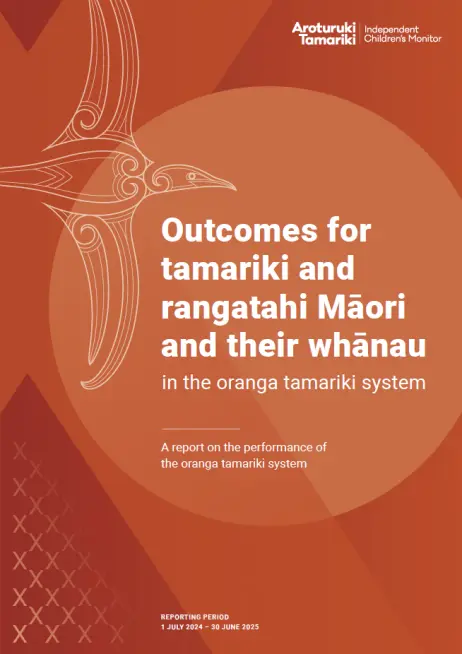
Outcomes for tamariki and rangatahi Māori and their whānau – Aroturuki Tamariki (ICM) Report
VOYCE – Whakarongo Mai says a new report highlighting the ongoing overrepresentation of tamariki and rangatahi Māori throughout the oranga tamariki system should be a catalyst for urgent action rather than further discussion.
-
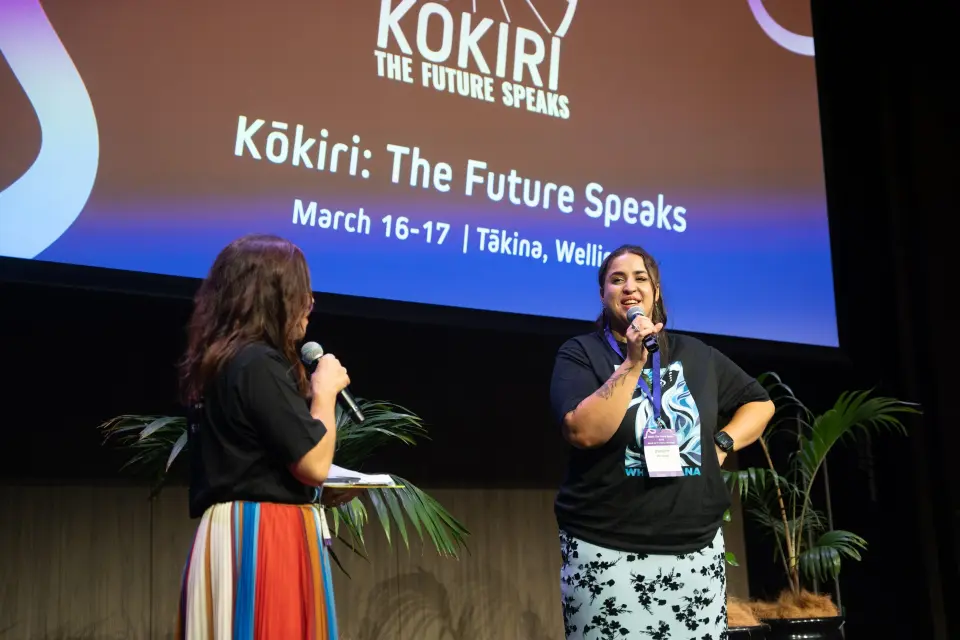
Kōkiri: The Future Speaks – Funding Concerns
VOYCE – Whakarongo Mai is warning that the future of advocacy for children in state care is under increasing financial pressure, as some representatives from the current Government failed to attend a key political discussion at the organisation’s ina…


