
Matariki: Palmerston North

On Wednesday 18 June, VOYCE – Whakarongo Mai partnered with YouthSpace Palmerston North and SuperGrans to host a special Matariki celebration for care-experienced rangatahi in the region. Held at YouthSpace from 3:00 – 4:30pm, this afternoon of connection and creativity brought together about 15 care experienced young people who participated in a range of reflective […]
Takatāpui: A whānau perspective

The term ‘takatāpui’ originally referred to a close companion of the same sex, but since the 1980s has been reclaimed as an inclusive term used by gay, lesbian, transgender, bisexual, whakawāhine, fa’afafine, asexual, queer, questioning and intersex Māori. It is a term that encompasses Māori spirituality and culture as well as sexuality. The following acknowledges […]
Matariki mā Puanga: Honouring the Māori New Year

He Kupu Whakataki | Introduction Matariki mā Puanga marks the Māori New Year, observed during the winter months of Pipiri (June) and Hōngongoi (July). It is a time of reflection, renewal, and reconnection — guided by the rising of two important stars: Matariki (Pleiades) and Puanga (Rigel). Different iwi across Aotearoa look to either Matariki […]
“How many more reports will it take?”

“How many more reports will it take?” – Advocates call on government to act as Independent Children’s Monitor reveals poorer outcomes for Māori in care. As the first Aroturuki Tamariki | Independent Children’s Monitor report into outcomes for tamariki and rangatahi Māori in care is released, care experienced advocates are questioning how to get policy […]
“15 years is too long to wait for change”

“15 years is too long to wait for change” – Care-experienced rangatahi concerned response to Royal Commission won’t stop history repeating There’s relief that the government has released its full response to the Royal Commission of Inquiry’s recommendations over abuse in state care, but care-experienced advocates say there needs to be more reassurance that the […]
Reflection on Global Day of Parents – From Someone Who Grew Up in Care

In 2012, the United Nations declared June 1st as the Global Day of Parents – a day “to recognise and honour parents for their selfless commitment and lifelong sacrifice.” For many, it’s a day to celebrate love and connection. But for those of us with care experience, days like this – alongside Mother’s Day and […]
“The guts have been pulled from the care system”

There’s disappointment among care-experienced rangatahi and their advocates that relevant funding from yesterday’s budget is being focussed on punishment instead of addressing the underlying cause of youth offending. Among the government’s pledge to invest in public safety and reform young offenders, it’s allocating $16 million to implement the new legislative regime for Young Serious Offenders, […]
Reflection on the importance of connections in care:
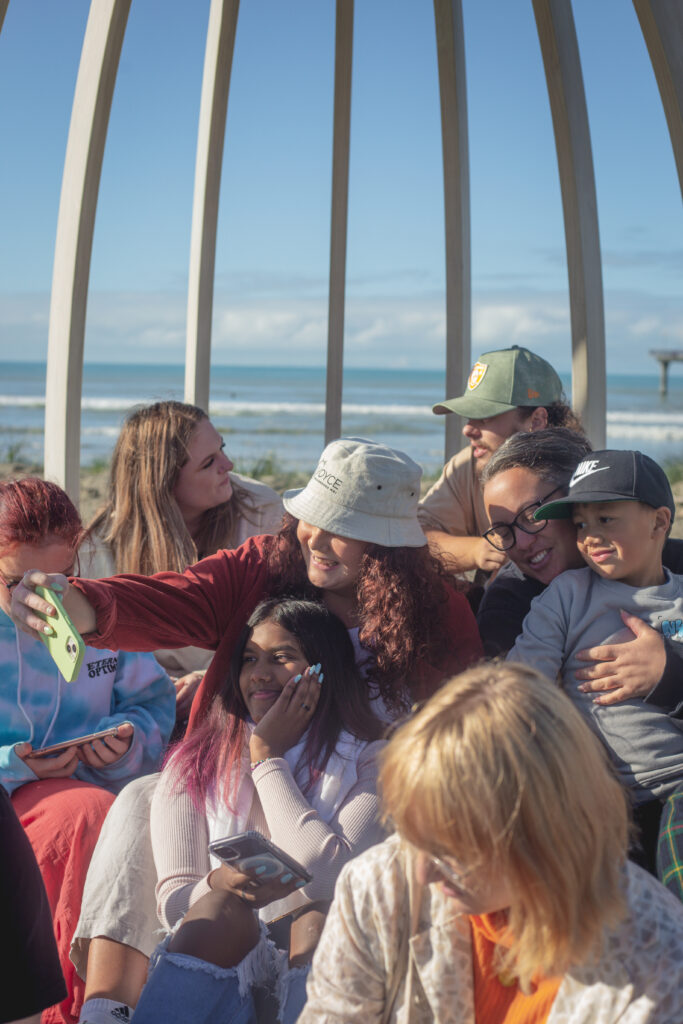
When I think back to my childhood (back through the mists of time to the ’70s and early ’80s), the memories that stand out for me are things like making huts in the bush with my best friend and floating down the river together, surrounded by the cacophony of cicadas; playing bullrush with my cousins […]
Pink Shirt Day – reflections from a care experienced perspective.
Pink Shirt Day is a reminder for us all that bullying is not something that should be tolerated. It’s a reminder to us all of the importance of kindness, diversity and inclusion – all things that are also important reminders for how those in care deserve to be treated. This year for Pink Shirt Day, […]
Concerns from care-experienced young people following broken promise over new redress system.

There’s disappointment among care-experienced rangatahi after the government opted against setting up a new compensation scheme for survivors of abuse in state care – instead choosing to sink more money into the current system. VOYCE – Whakarongo Mai has been advocating for those care experienced tamariki since 2017, and CEO Tracie Shipton says it goes […]