Our student in Ōtautahi, Veronica Smith, led a special tūhono for our care-experienced community focussed on learning about pepeha, mihimihi, and creating your own pepeha to acknowledge the people and places that are special to you.
Our tūhono ‘Tūrangawaewae: Pepeha Workshop’ saw a range of tamariki and rangatahi aging from two weeks to 23 years join us along with some super supportive caregivers.
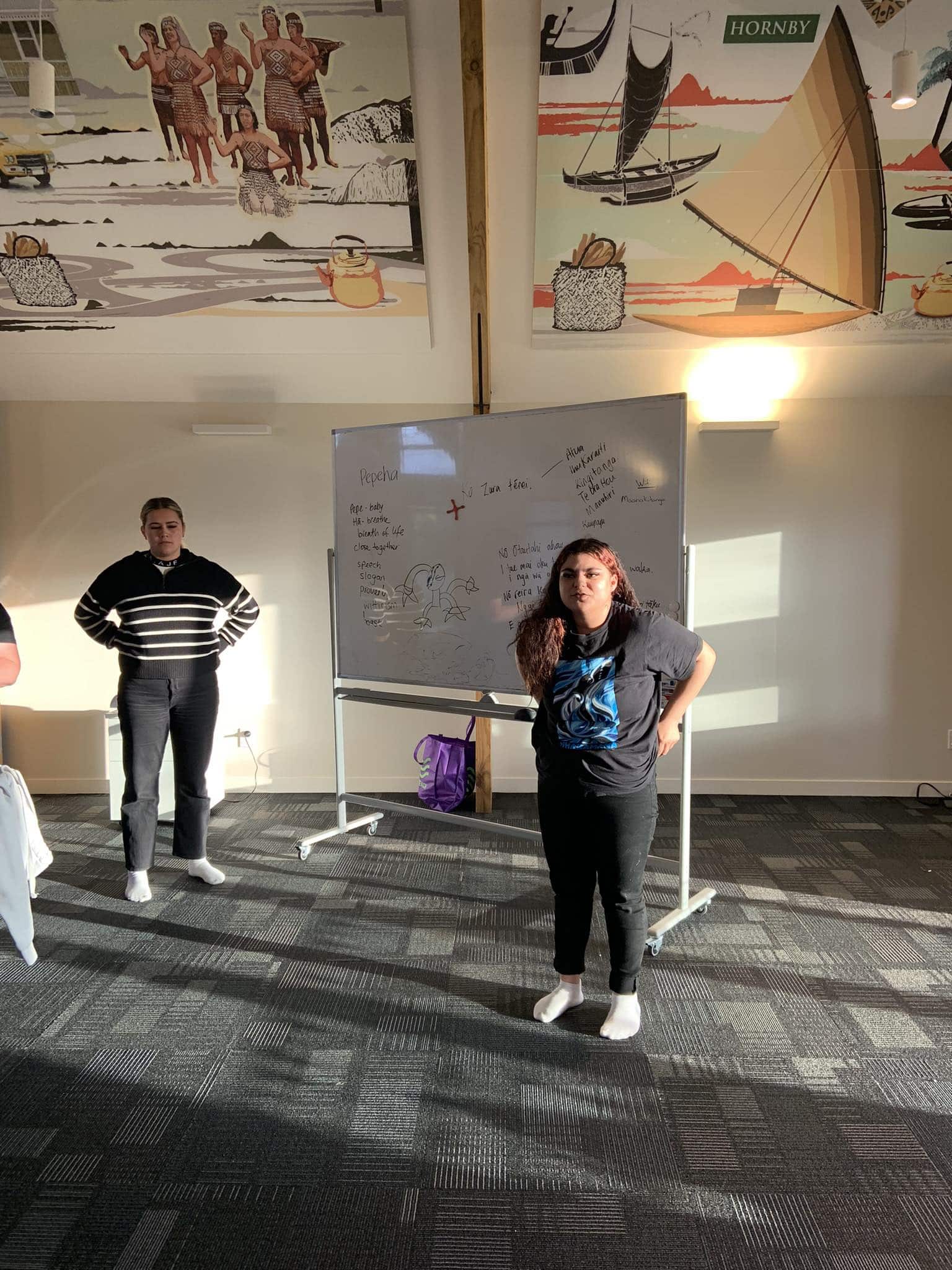
Together we shared kai and ate a yummy boil up for dinner prepared by one of our amazing rangatira. And then came together to talk about the the kupu (words) pepeha and mihimihi and what they mean.
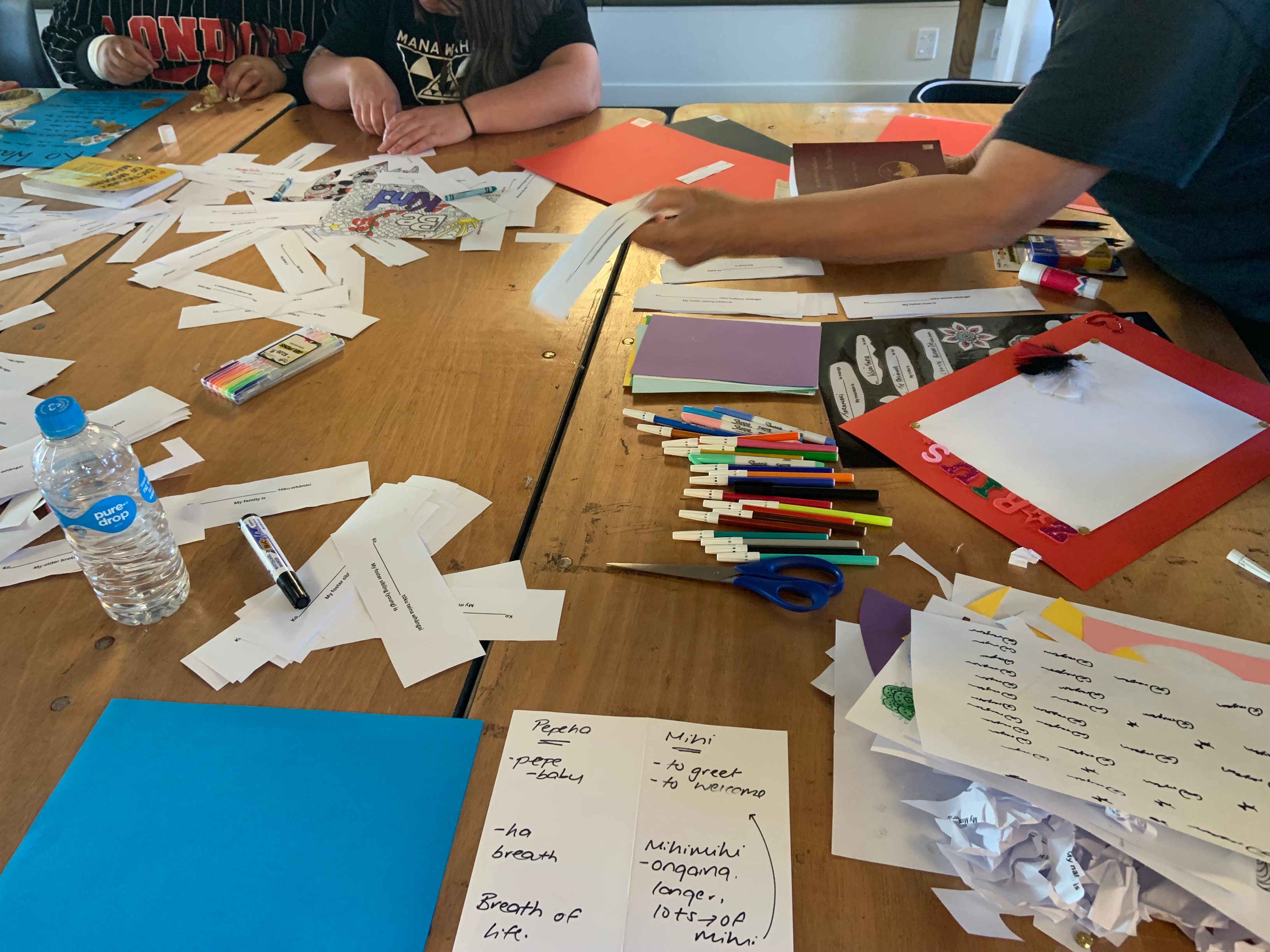
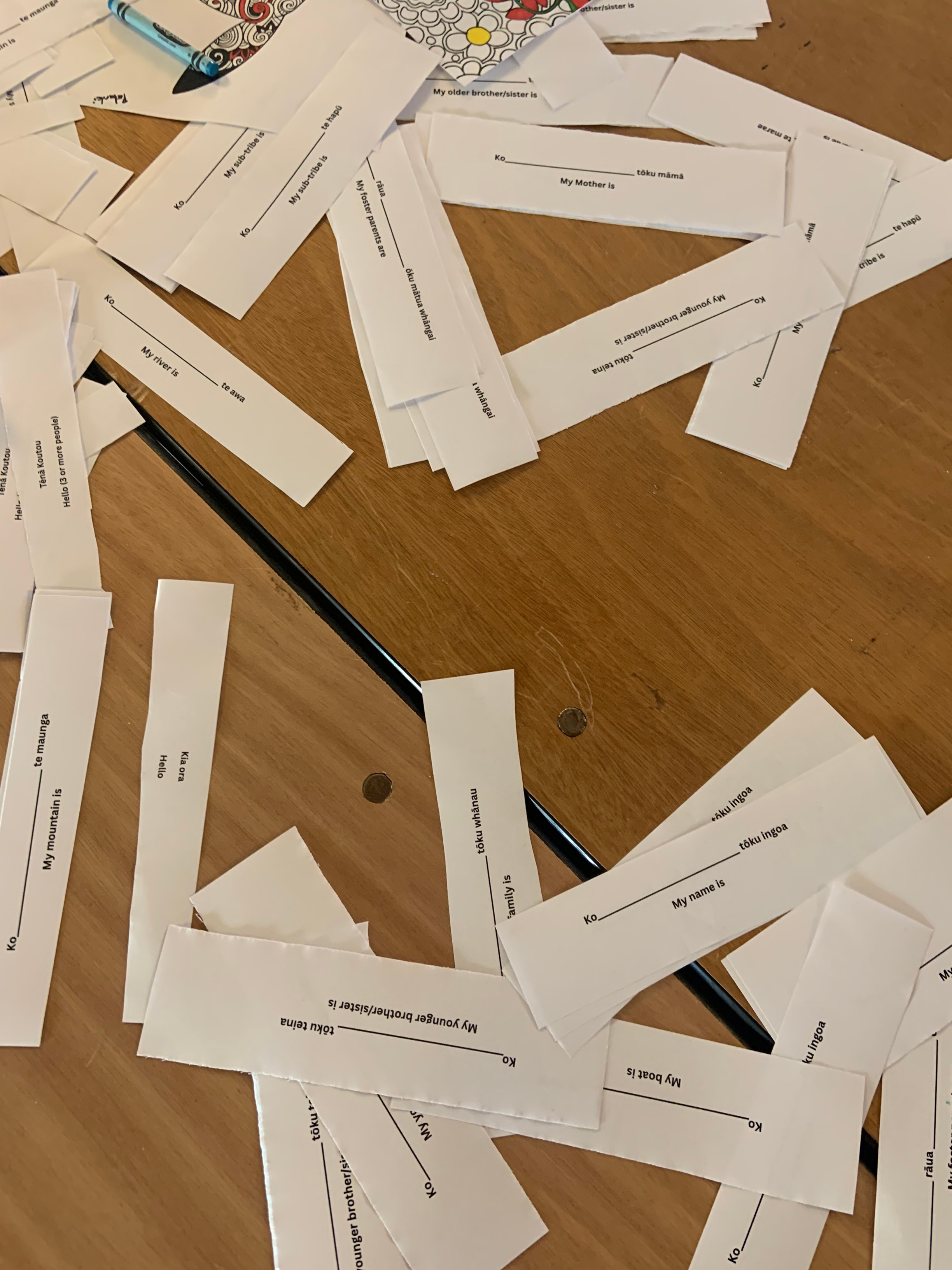
Veronica then prepared an activity where attendees could take different segments of a pepeha, fill in the blank and create their own template to take home. There were lots of arts and crafts to make it look fun, and everyone was able to go home with a pepeha created just for them.
All around it was a huge success and we can’t wait to do it again!